
NOTE4 16-Level Grayscale Demo
Explore full refresh, partial refresh and sixteen grayscale levels on monochrome NOTE4 as a display foundation for your own e-paper projects.
USB firmware
View & install Views0

Device firmware · NOTE4 · Monochrome
Manage photos, information dashboards and voice interfaces on your own server, extending content as needed.
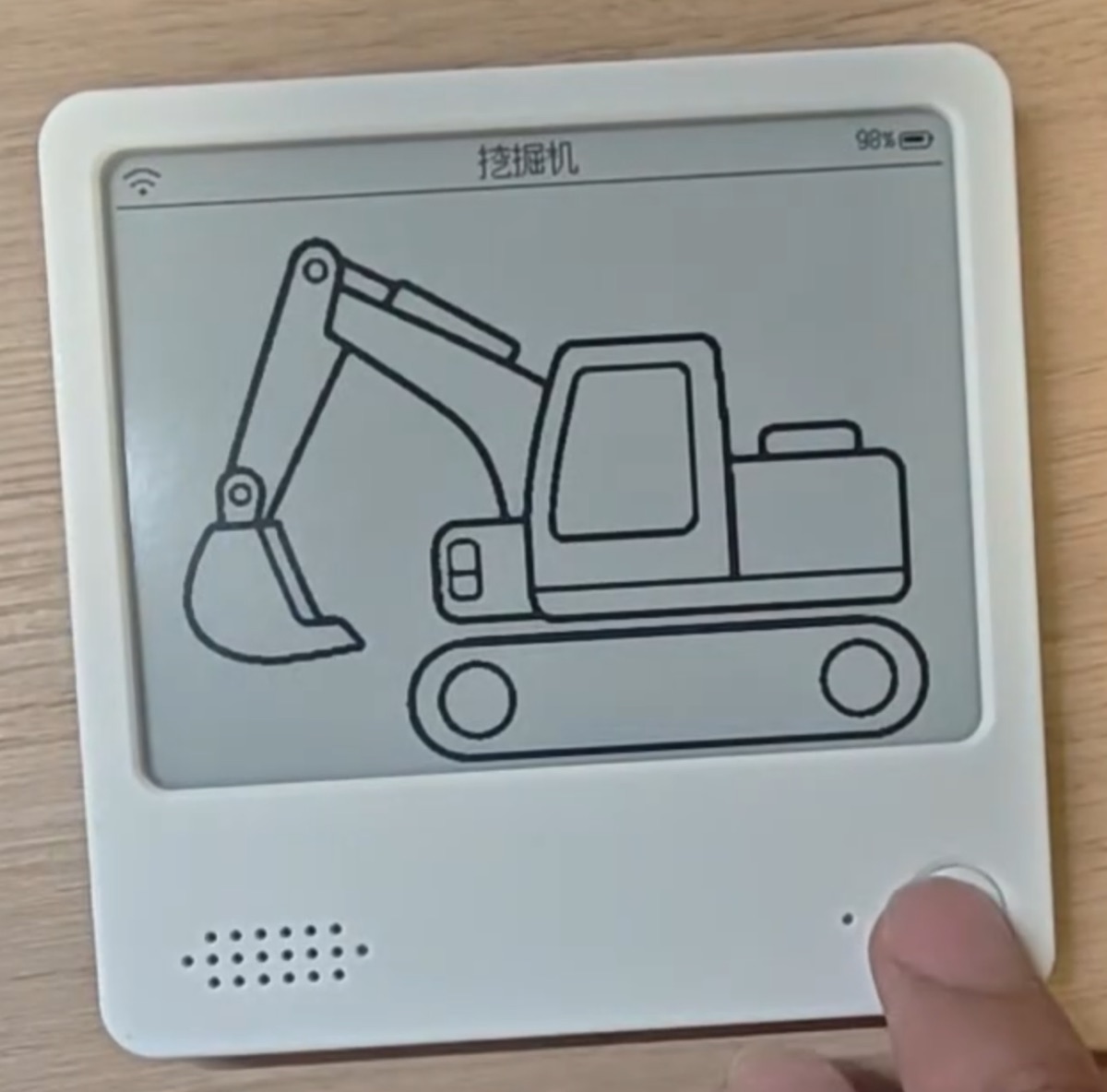
Manage photos, information dashboards and voice interfaces on your own server, extending content as needed.
Install & use
Connect the device and give AI the detection results together with this firmware information.
USB chip information cannot distinguish monochrome from four-color screens. Confirm the model first.
Read the chip and capacity first, so AI needs fewer follow-up questions.
Detection may restart the device into download mode. It does not flash firmware; you still need to confirm the display model.
Not detected yet. You can also copy the task first and ask AI to help connect.
Codex on your computer can install dependencies and run programs locally.
Check compatibility → Prepare firmware and a full backup → Assist with local installation → Verify first run
After copying, start a new chat in Codex on your computer and paste the task.
Only project information and the device details selected here are included. Network addresses, accounts and keys are configured locally during installation.
The device shows the expected Slate · Ink Note screen and continues to work after repeated updates.
Ask AI to report the installation location, verification results and how to start again. Continue in the same conversation if something goes wrong.
Monochrome NOTE4 · ESP-IDF firmware · Self-hosted backend and web admin interface
The repository includes firmware, a backend API and a web admin interface. Prepare the database and backend environment, then configure the service.
Back up NOTE4's complete Flash. Build ESP32-S3 firmware as instructed and enter your own backend connection settings.
Manage content groups and screens through the web interface and confirm the device connects to the service. Voice also needs model or audio services configured as instructed; this site has not checked release packages.
Information organized · Release version and installation await review. Generating a task does not send it or run an installation automatically.
The backend and web admin interface must also run. Voice interaction may use model services you configure; the device is not a complete standalone system.
Data handling depends on your self-hosted backend and configured external services. Understand where photos, audio and credentials go before deploying.
Explore full refresh, partial refresh and sixteen grayscale levels on monochrome NOTE4 as a display foundation for your own e-paper projects.
USB firmware
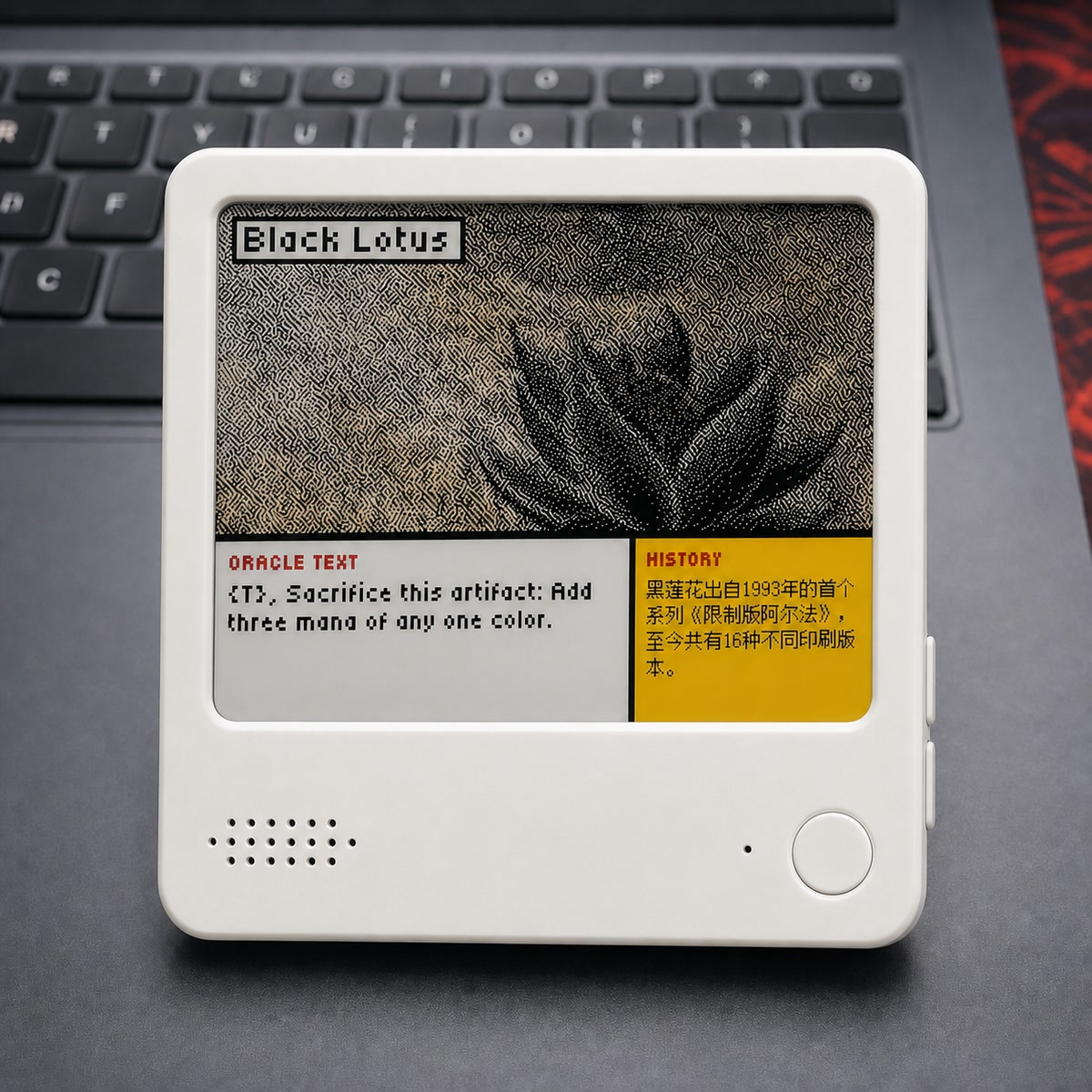
Turn NOTE4C into a four-color photo gallery with uploads through a phone hotspot or home LAN.
USB firmware
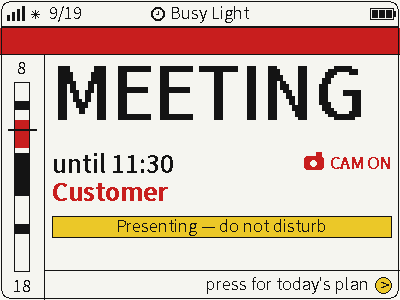
Switch between photos, weather and busy status on a four-color screen for glanceable desktop information.
USB firmware